

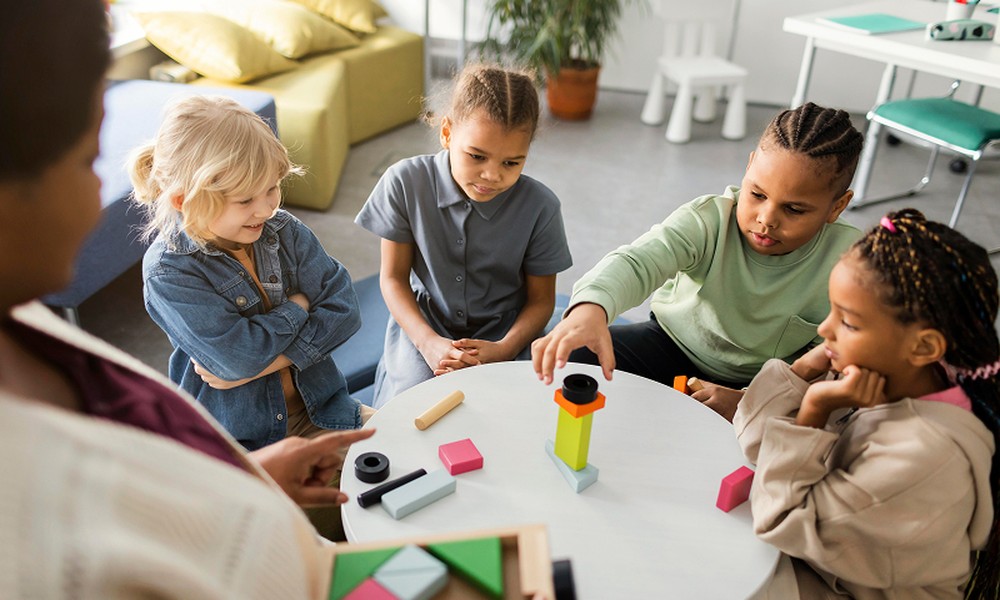
Group discussions give preschoolers a steady space to speak Mandarin with comfort and curiosity. When routines are predictable and cues stay light, children feel more willing to participate. Shared activities create gentle momentum, turning short responses into clearer phrases. Group chats can also spark curiosity when children hear peers attempt new words or simple sentence structures. Families sometimes support these habits through online tuition in Singapore, which offers structured practice that aligns with classroom routines.
Why Group Discussions Build Mandarin Confidence
A group setting encourages children to express ideas in a relaxed rhythm. Turn‑taking helps them listen closely and reply with clarity. Short exchanges ease hesitation and keep energy balanced.
Familiar topics such as animals, food, and simple actions are the usual topics to talk about in Chinese tuition for K2. Children respond more readily when themes feel recognisable. Familiar themes ease tension and help learners recall words used in previous sessions, making replies smoother. This familiarity strengthens confidence and reduces pressure during discussions.
Creating Prompts That Invite Participation
Simple prompts help children form complete Mandarin replies. Questions like “What do you see?” or “What is happening?” guide them toward short but structured answers. Props such as picture cards or small objects support clear expression and reduce guesswork.
Teachers leading Chinese tuition for K2 craft weekly themes that support fresh vocabulary without overwhelming learners. A clear theme helps children relate ideas across activities and expand responses naturally. Clear themes also allow gentle review, letting children connect new vocabulary with earlier concepts to build stronger speaking habits.
Using Playful Activities To Spark Expression
Play gives children a safe way to practise Mandarin without feeling judged. Show and Tell offers a familiar object as an anchor, helping speakers build short sentences with ease. Each child receives a moment in the spotlight, which supports confidence. These moments let educators highlight simple sentence frames that children repeat in later discussions.
Ice breakers help warm up a group quickly. Simple guessing games, brief story starters, or movement-based cues encourage spontaneous speaking. These activities keep attention lively while steering children toward clear Mandarin phrases. Play inspires creativity and encourages learners to test new vocabulary inside group momentum.
Strengthening Listening Skills During Group Interaction
Listening shapes strong speakers. Group routines train children to wait, observe, and respond at the right moment. Predictable pacing allows them to notice repeated words and patterns.
Online tuition in Singapore can support these skills by offering guided listening tasks. Digital cues mirror classroom expectations, helping children practise recognising tones, words, and key phrases in a structured environment. Guided listening with clips or short stories also helps children absorb rhythm and tone, supporting clearer expression during group exchanges.
Encouraging Independence in Shared Discussions
As children grow more comfortable, they begin forming longer replies. Educators step back slightly, allowing learners to shape ideas at their own pace. Short pauses give children time to build sentences with care.
Repetition across sessions builds predictability. When activities follow a recognisable rhythm, learners feel brave enough to produce more independent Mandarin speech. Over time, children begin forming brief narratives, linking ideas with greater clarity.
Tools That Strengthen Mandarin Expression
Visual aids help children organise thoughts. Charts, themed props, and simple vocabulary cards act as steady prompts that support fuller replies. Rotating tools weekly keeps interest steady and prevents activities from feeling repetitive.
For younger students, Chinese tuition uses tools linked to each theme so children can connect spoken words with concrete objects. When similar tools appear at home, children reuse Mandarin naturally during play. Repeated exposure strengthens recall and encourages confident responses across different situations.
Guiding Children Toward Confident Communication
Group discussions give preschoolers a friendly space to practise Mandarin through shared routines, simple prompts, and playful activities. Each small exchange builds confidence and strengthens clarity. Chinese tuition supports these habits through steady structure. Online tuition in Singapore provides additional exposure for children who benefit from guided digital practice. Contact LingoAce to begin supportive Mandarin sessions for your child.
