

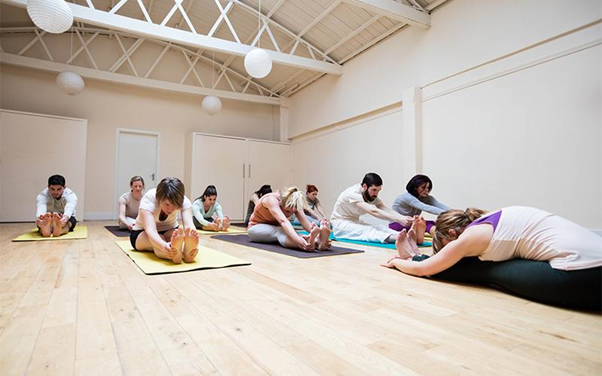
For many in Singapore who have experienced the transformative power of yoga, taking the next step into formal teacher training can be both exciting and daunting. A 200-hour yoga training in Singapore is often the foundational course that introduces aspiring teachers and serious practitioners to the deeper dimensions of yoga. Whether you aim to become a certified instructor or to immerse yourself more fully in the practice, understanding what this course involves will help you prepare mentally and physically.
Overview Of A 200-Hour Training Programme
A 200-hour course is designed to equip participants with a solid grounding in the philosophy, techniques, and structure of yoga. Typically conducted throughout one to three months in an intensive format, or stretched across weekends over several months, this course is both intellectually stimulating and physically demanding. Participants engage in daily practice sessions, theoretical modules, and teaching practice, offering a holistic experience that goes beyond just the physical postures.
At the heart of any recognised yoga course in Singapore is a curriculum approved by international standards such as Yoga Alliance. These courses ensure a balanced education, touching on essential components like anatomy, asana (physical postures), pranayama (breath control), meditation, yogic philosophy, and practical teaching methods.
Physical And Mental Preparation
A 200-hour yoga training demands a consistent level of physical stamina. Classes often begin with a vigorous two-hour asana session, followed by hours of theory, group discussion, and teaching drills. Even seasoned practitioners might find the pace initially challenging. That said, participants are encouraged to progress at their rhythm, with guidance and support from experienced trainers.
Mental endurance is just as crucial. You’ll spend considerable time engaging with texts like the Yoga Sutras and Bhagavad Gita, reflecting on yogic ethics, and learning to apply mindfulness to everyday life. The environment fosters deep self-awareness, and many students experience emotional breakthroughs during their training journey.
Key Modules Covered In Training
One of the highlights of a comprehensive yoga training in Singapore is the emphasis on anatomy and safe alignment. You’ll gain insight into how muscles, joints, and connective tissues respond during yoga poses, reducing the risk of injury for both yourself and your future students.
Another core element is learning how to structure and sequence classes. This includes choosing suitable warm-up postures, balancing intensity, offering modifications, and cultivating your voice as a teacher. Many training providers include practical teaching sessions where participants guide their peers, receiving feedback and building confidence in a supportive setting.
Additionally, there’s a strong focus on pranayama and meditation. These practices teach breath control and help sharpen concentration, both vital tools for effective teaching and personal growth.
ALSO READ: We All Have to Start Somewhere – Jane, RYT200
Community And Personal Growth
A significant aspect of the training journey is the sense of community that forms among participants. Students often come from diverse walks of life, united by a shared interest in deepening their practice. These connections often extend beyond the course, offering a lasting support network within Singapore’s yoga community.
Many participants also experience personal transformation through the course. The physical training, coupled with introspective practices and lifestyle awareness, often leads to greater discipline, emotional resilience, and mental clarity.
If you’re considering a yoga course in Singapore, it’s essential to choose a provider whose teaching approach, schedule, and philosophy resonate with your goals. Some schools lean more into traditional teachings rooted in Indian yogic texts, while others may incorporate modern fitness-oriented methods.
Post-Certification Opportunities
Completing a 200-hour course marks the beginning of your teaching journey, not the end. While it qualifies you to lead beginner and multi-level classes, ongoing learning is encouraged through workshops, mentorship, and advanced certifications.
Graduates often find opportunities in local yoga studios, wellness retreats, corporate settings, or even by launching their classes. Some pursue niches like pre-natal yoga, therapeutic yoga, or children’s yoga with additional specialised training.
The certification also opens the door to teaching abroad or travelling while sharing your practice, especially if the course is registered with a body like Yoga Alliance.
Is A 200-Hour Training Right For You?
Choosing to enrol in a 200-hour yoga training in Singapore requires commitment, curiosity, and a willingness to grow. Whether your goal is to teach or simply understand yoga at a deeper level, this training will challenge you, support you, and ultimately reward you in ways beyond the mat.
Before signing up, speak with past graduates, attend an open house, or try classes from the trainers to see if the programme aligns with your expectations and values.
Conclusion
A 200-hour yoga training course is a powerful and life-enhancing journey. Beyond learning techniques and postures, it nurtures awareness, builds confidence, and opens the path to teaching. With the right mindset and guidance, it could be the first step towards a meaningful new chapter in your life.
Contact The Yoga Mandala today and enquire about a yoga course to share your passion for yoga with others.
