

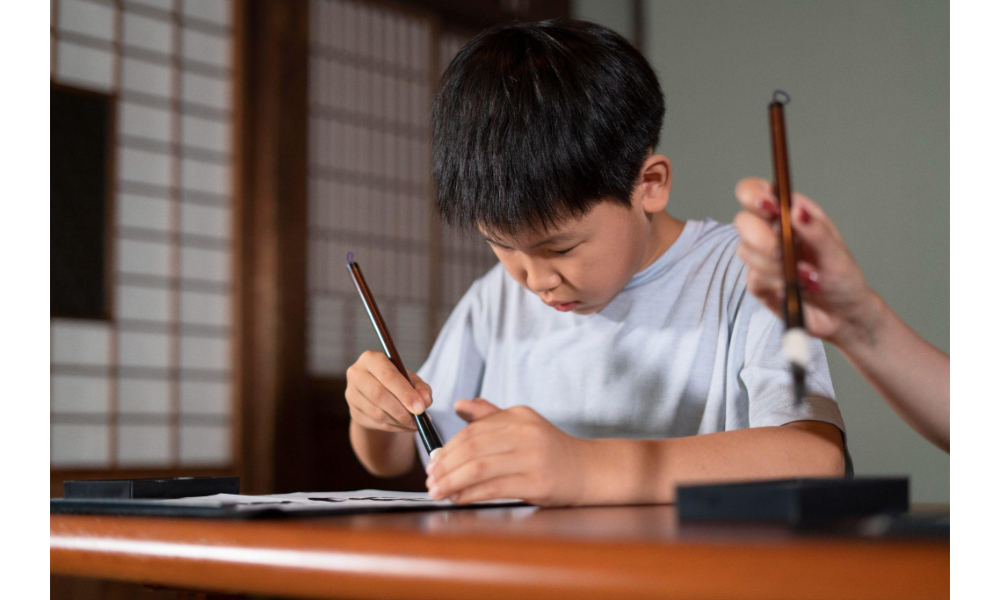
For many Singaporean parents, getting their children to remember Chinese characters feels like an uphill task. Some kids can recall pinyin or recognise a few radicals, but ask them to write the whole character and their confidence wavers. That’s where structured learning through primary Chinese tuition comes in. It bridges that tricky gap between recognition and true understanding—turning memorisation into something more intuitive.
The Memory Game Behind Every Character
Learning Chinese isn’t just about memorising shapes; it’s about building stories around them. Think of how the character “休” (xiū), which means “rest,” combines a person and a tree. Suddenly, it’s no longer random strokes—it’s an image of someone leaning against a tree. Primary Chinese tuition often uses these kinds of visual connections to help children remember characters better.
Many tutors use multisensory learning methods, mixing visual memory with listening, speaking, and writing. It’s similar to how you might remember a friend’s name better after seeing their face, hearing them speak, and spending time together. When all these senses work together, memorisation becomes more natural and long-lasting.
Repetition, But With a Twist
We all know that repetition works. But endless copying can feel like punishment. The best Chinese tuition in Singapore goes beyond rote learning by weaving repetition into games, storytelling, and contextual exercises. Students might learn through creative writing, reading aloud, or even roleplay sessions where they use the characters they’ve learned in daily scenarios.
There’s a reason this matters—children need engagement to sustain attention. When a lesson feels like play rather than pressure, their brain retains information better. It’s a subtle but powerful shift that makes a huge difference in how easily students remember what they’ve learned.
The Role of Personalised Teaching
Every child has their own rhythm when learning languages. Some respond to visual cues, others prefer auditory or kinesthetic learning. Primary Chinese tuition usually caters to these differences through personalised methods, breaking down complex characters into manageable bits. A good tutor might focus on radicals one day and tone recognition the next, slowly helping the student see patterns and structure.
This tailored approach prevents burnout. It ensures that the student doesn’t feel overwhelmed by the sheer number of characters—after all, the Chinese language has thousands of them. Instead, progress feels steady and achievable, which keeps motivation high.
From Memorisation to Connection
Here’s the thing—memorisation is only the first step. Real mastery happens when students start connecting characters to real-life meaning. The best Chinese tuition in Singapore often incorporates cultural lessons, idioms, and classic stories into lessons. When students understand why certain phrases exist or how ancient customs shaped modern words, the characters start to stick naturally.
You know what’s interesting? Children who learn through culture often end up enjoying the language more. They see it as a living thing, not just something they’re forced to study. That emotional connection helps them retain words and phrases with surprising ease.
Practice That Feels Natural
Daily practice doesn’t always mean sitting at a desk. Tutors might encourage children to read short stories, label objects around the house in Chinese, or even write short diary entries. These small but consistent habits strengthen memory and promote active usage.
When parents get involved—asking questions in Chinese, celebrating small wins—it reinforces what’s taught in class. Tuition isn’t just about classroom time; it’s about creating an environment where language feels like part of daily life.
Conclusion
Mastering Chinese characters doesn’t happen overnight, but with consistent guidance and a teaching approach that keeps children motivated, it can be deeply rewarding. Primary Chinese tuition gives students a structured path to build confidence and improve retention, one character at a time.
If you’re looking for the best Chinese tuition in Singapore to help your child develop a stronger foundation in the language, reach out to Hua Language Centre today to learn more about their programmes and teaching methods.
