

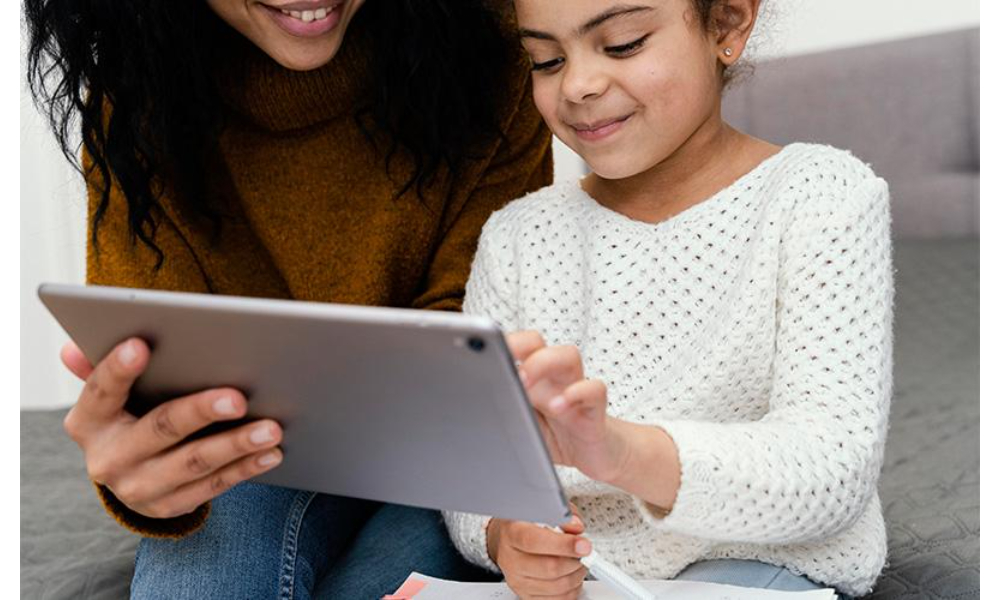
Many early childhood educators are incorporating technology into their lesson plans due to the prevalence of the digital age. This trend extends to preschools, including those catering to religious and moral instruction. However, a critical concern is raised as more childcare facilities implement digital preschool curricula: can these platforms successfully integrate moral and religious principles, particularly in establishments like a Muslim preschool in Singapore?
Integrating Core Values into Digital Platforms
Moral and religious values have long been foundational components of early childhood education. They shape a child’s character, social skills, and worldview. These values can still be embedded in a digital curriculum, provided the content is intentionally designed with them in mind. For instance, story-based learning apps can be tailored to teach kindness, honesty, patience, and gratitude—values that align with both general moral education and Islamic teachings.
Video modules can feature age-appropriate Islamic stories, while digital worksheets can prompt children to reflect on everyday ethical choices. Interactive activities can incorporate elements like dua recitation, basic Arabic, or etiquette aligned with Islamic teachings. This approach allows a Muslim preschool to uphold its faith-based ethos without compromising digital advancement.
Challenges in Digital Value-Based Learning
Despite its potential, digital delivery of religious and moral content faces challenges. Unlike traditional classrooms, where teachers can observe reactions and engage in real-time discussions, digital platforms often lack the human touch that reinforces behavioural learning. Moral values are best absorbed through modelling, interaction, and guided practice—factors not easily replicated in pre-recorded lessons or game-based formats.
There’s also the issue of religious authenticity for Muslim preschools. Pre-approved or globally sourced content may not always align with local Islamic perspectives or teaching standards. Childcare schools in Singapore must ensure that any digital tool used for moral instruction is reviewed by religious educators and complies with the school’s doctrinal guidelines.
The Role of Educators and Parents
Technology should supplement—not replace—the role of educators and parents in moral and religious instruction. Digital preschool curriculum platforms can offer structure and consistency in a childcare centre, but the application of values must still be guided by teachers. For instance, a teacher might assign a digital story on sharing, but follow up with in-class discussions or activities to reinforce the lesson.
Similarly, Muslim preschools benefit from involving parents in the learning process. With the right platform, parents can track what moral lessons are being taught and mirror those values at home. For example, a digital app that teaches about Ramadan can encourage family-based activities like iftar sharing or Quran reading, bridging the school-home learning environment.
Curriculum Design Considerations
Curriculum designers need to work closely with both educators and religious scholars to include moral and religious values effectively. The digital curriculum should meet developmental milestones and reflect the school’s moral goals. This approach includes creating structured themes around empathy, respect for elders, gratitude, and religious observances.
Moreover, the user interface must be designed to suit young learners. Engaging visuals, audio reinforcement, and simple navigation are critical to ensure children understand and retain moral concepts. Localisation is also essential—especially in the city-state—where multiculturalism and religious diversity are key considerations. Even in a Muslim preschool setting, content must reflect the local context and cultural sensitivity.
Conclusion
A digital curriculum can indeed include moral and religious values, but it requires thoughtful planning, the right partnerships, and active human involvement. As childcare centres in Singapore embrace digital transformation, they must ensure that their technology strengthens rather than weakens the fundamental principles they seek to teach. This approach entails striking a balance between creativity and faith-based authenticity.
Seeking a childcare centre that blends digital innovation with solid moral and religious grounding? Contact Huda Childcare and discover a centre that prioritises values and 21st-century readiness.
