

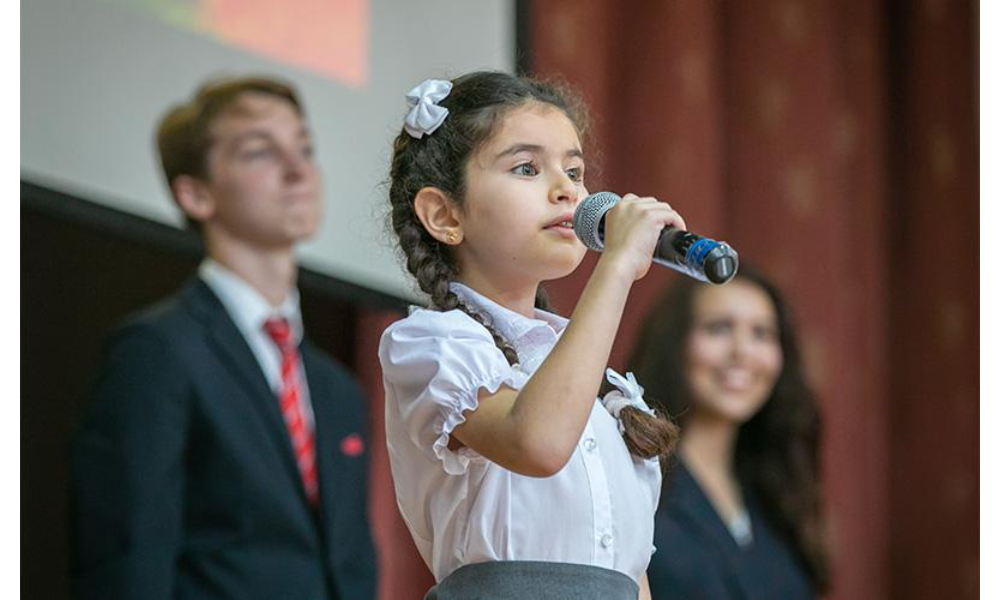
Parents signing up their child for public speaking lessons often expect quick improvement in confidence and performance. However, public speaking for kids requires consistent effort, structure, and a supportive learning space. Children develop at different speeds. Rushing outcomes creates pressure instead of building skills.
Public speaking lessons help children speak with clarity, manage stage fright, and structure their thoughts. These skills extend beyond academic settings. Speaking well in front of groups helps children present ideas clearly, engage others confidently, and respond to questions under pressure.
Children benefit from positive reinforcement and structured practice. Reputable programs follow age-appropriate methods, using interactive games, storytelling, and role play. These activities make lessons engaging while introducing speech fundamentals. Parents should ask if the public speaking academy uses structured modules that match their child’s stage of development.
Choosing public speaking for kids means supporting their growth. Parents must allow space for practice, mistakes, and gradual improvement without expecting perfection after a few sessions.
Assessing Your Child’s Readiness for Public Speaking Lessons
Some children feel excited to speak publicly, while others hesitate. Readiness depends not on age but on mindset. A child must express a willingness to participate, follow instructions, and engage with peers. Forced enrolment may lead to resistance or anxiety.
Parents should speak with their child before enrolling them. Ask about how they feel speaking in front of others. If a child expresses nervousness, explain what lessons involve. Highlight how they will learn step by step in a fun, safe space.
A good public speaking academy allows trial classes. These give parents and children a chance to experience teaching styles before committing. Parents should observe if the child feels comfortable with the teacher’s approach and the pace of activities.
Even shy children grow in confidence when supported properly. Children struggling to express ideas may benefit most from structured speaking training. Public speaking for kids enhances self-expression, clarity, and poise. However, results appear gradually through repeated practice, feedback, and support at home.
Evaluating the Public Speaking Academy’s Curriculum
Parents must evaluate the curriculum before enrolling. A structured program includes speech planning, voice control, body language, and audience engagement. Each element builds the foundation for confident speaking.
Some programs focus too much on performance, neglecting speaking technique. A well-rounded public speaking academy trains children in articulation, tone variation, and content delivery. Children must learn to speak clearly, express emotions, and hold the audience’s attention.
Parents should ask how progress is measured. Effective programs track development through regular presentations, peer feedback, and teacher assessments. These build confidence while showing clear improvement over time.
Instructors play a key role. Seek academies with trained coaches who use encouraging language and tailored methods. Teaching public speaking for kids requires patience, adaptability, and clarity. Children respond well to educators who explain techniques clearly and give specific feedback.
A good academy equips students with lifelong communication tools. Check if the curriculum aligns with long-term goals instead of short-term competition results.
Supporting Your Child Outside the Classroom
Parental involvement strengthens learning. Children enrolled in public speaking lessons progress faster with regular encouragement at home. Simple practices such as speaking in full sentences, storytelling at dinner, or reading aloud support communication growth.
Praise effort, not outcome. Children build confidence when adults recognise their attempts to improve. Avoid correcting minor errors publicly. Focus on what they did well. Ask questions that prompt deeper thinking and structured responses.
Parents can also watch speeches together with their child. Analyse what made the speaker engaging—tone, pace, eye contact, or hand gestures. Let the child reflect on what they noticed. This form of observation supports classroom lessons.
Record short practice speeches at home. Help your child watch and self-review. This exercise boosts awareness of habits and reinforces corrections suggested during lessons.
Public speaking for kids works best when both home and school encourage self-expression, clarity, and confidence. Children thrive when they see consistent support across environments.
Final Thoughts
Choosing a public speaking academy involves more than signing up. Parents must consider their child’s readiness, assess curriculum quality, and provide support throughout. Progress takes time, effort, and reinforcement.
Public speaking for kids builds more than stage confidence. It enhances self-expression, clear thinking, and presence. With the right environment and encouragement, any child can grow into a confident speaker.
Support your child’s growth in confidence and communication. Contact Speech Academy Asia today to enrol in a trusted public speaking academy for kids.
